The Back-Door Menu: What Sushi Chefs Make With Trim, Bones, and Broken Rice
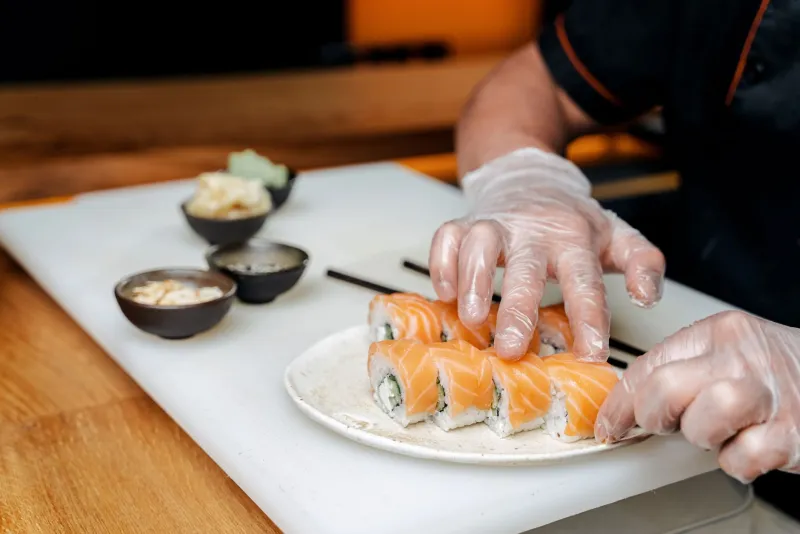
At a sushi counter, the first impression is precision. The knife goes where it goes. The rice is packed to a specific density. The fish is sliced so cleanly it looks like it was always that shape. What you don’t see is the pile of trim, bones, rice crust, and vegetable peels that accumulates behind the scenes. At a good omakase restaurant, those pieces don’t disappear into a dumpster. They become staff meal, stock, pickles, and the late-night handroll that the chef eats standing up after service. That back-door menu is part of the same trust equation as the front-room tasting menu: if the kitchen treats the scraps with care, you can relax about the pieces it serves you.
Trim Is Not Trash
Sushi chefs trim fish for texture and shape. The edges of a block of hamachi, the belly flaps from a fillet of madai, the odd wedge of salmon that won’t sit neatly on rice — none of that is bad fish. It is just fish that won’t make the cut for a particular course. In many American sushi kitchens, that trim goes into a staff meal bowl, gets chopped for a spicy tuna-style mix, or is cured briefly and rolled into a handroll for the crew. At more ambitious counters, the trim might be simmered with ginger and soy until it becomes a rich topping for rice, or folded into a custard. The point is not to be cheap for its own sake. The point is to respect the ingredient enough to find the second right use.
Bones, Heads, and the Broth You Never See
Fish bones and heads are the quiet backbone of a lot of sushi-bar cooking. They go into dashi, soups, and simmered dishes. In Japanese home kitchens, this is ordinary thrift: a bag of fish frames in the freezer, a pot of stock on the weekend. In American omakase kitchens, the same logic shows up in staff meals and in the occasional off-menu bowl. The flavor is deep and clean if the fish is fresh and the bones are rinsed well. The home version is simple: ask your fish counter for frames when you buy whole fish or fillets, rinse them, and simmer them briefly with kombu, ginger, and scallion tops. Strain, freeze in small containers, and use it as a base for miso soup, noodles, or a quick rice porridge.
Broken Rice Has a Second Life
Rice is where the thrift gets personal. Sushi rice is seasoned, cooled, and handled with intention. The crust at the bottom of the rice cooker — okoge — is crunchy, nutty, and often scraped out for staff snacks. Broken grains and leftover seasoned rice can become onigiri, fried rice, or a late-night bowl with a little leftover fish and pickles. At home, if you make sushi rice and end up with leftovers, don’t treat it as a failure. Spread it in a shallow container, chill it, and use it within a day for a skillet rice cake or a quick donburi. The crust from the rice cooker is a snack in its own right: break it up, toast it, and salt it.
Vegetable Odds and Ends Are Pickle Fodder
Daikon peels, cucumber ends, carrot nubs, cabbage cores — these are pickle candidates. A quick asazuke-style pickle can be made with salt, rice vinegar, and a little sugar, and it will keep for a few days in the fridge. At sushi bars, vegetable trim often becomes the crunchy counterpoint to rich fish: a few slices of pickled daikon between courses, a spoonful of chopped cucumber in a handroll, a garnish that resets the palate. The home-kitchen formula is to keep a jar in the fridge and add odds and ends as they appear. It is not a project. It is a habit.
The Late-Night Chef’s Choice
The most honest chef’s-choice meal might be the one the chef makes for themselves after the last guest leaves. It is usually built from what is left: a little rice, a few slices of trim, a pickle, a splash of dashi. That meal is not a compromise. It is a test of whether the kitchen’s standards hold when nobody is watching. Diners who care about where their fish comes from should also care about what happens to the fish that doesn’t make the menu. The answer tells you a lot about the restaurant’s relationship with its ingredients.
How to Bring the Leftover Rule Home
You don’t need a sushi counter to adopt the mindset. Start with a freezer bag for fish frames and vegetable peels for stock. Keep a small jar of quick pickles going. Use leftover rice within a day, and treat rice crust as a snack instead of a mistake. If you buy fish trim from a trusted counter, use it the same day or freeze it immediately, and don’t push raw fish past its window. Thrift is not an excuse for sketchy food safety. It is a reason to be more deliberate.
The next time you sit at an omakase counter, watch for the quiet signs: a staff meal being plated in the back, a pot of stock simmering, a jar of pickles on the prep table. The front menu is the performance. The back-door menu is the character. And the best counters are the ones where both feel like they come from the same kitchen.