No Substitutions, No Whining: Running a Full-Blown Omakase Night Out of Your Own Kitchen
Photo: Seattle Municipal Archives, CC BY 2.0, via Wikimedia Commons
There's a moment at every good sushi counter that American dinner tables almost never get to experience: the surrender. You sit down, you say the magic word — omakase — and from that point on, the chef decides everything. No swaps, no 'can I get that with ranch,' no negotiating with the menu.
I started running omakase nights at home out of desperation. My family had fallen into the death spiral of weeknight dining: the same four meals on rotation, the same complaints, the same kid announcing that chicken is 'disgusting now' despite having loved it the week before. Something had to give.
So I borrowed the rule that makes omakase work: the cook chooses. All of it. And honestly? It saved our dinners.
The Rules of the House
The beauty of omakase is that it's a contract. Here's the version I present to my family, usually with mock ceremony:
- The chef plans the menu. Nobody knows what's coming until it arrives.
- No substitutions. This is the big one. You can skip a course, but you don't get a replacement.
- You try everything. One honest bite. That's the whole bar.
- Praise is encouraged; feedback goes in the suggestion box. (There is no suggestion box.)
Sounds tyrannical? Maybe a little. But kids — and let's be honest, spouses — actually thrive with a little structure. The power struggle disappears because there's nothing to negotiate. The food is what it is. The chef has spoken.
Pacing Like a Sushi Counter
The thing that separates an omakase night from 'dinner' is rhythm. At a sushi bar, you don't get a slab of everything at once. Pieces arrive one at a time, light to rich, delicate to bold. Steal that structure:
- Course one: something cold and light. Cucumber sunomono, edamame with flaky salt, a slice of cold melon.
- Course two: the 'palate teaser.' A single perfect bite — a small onigiri, a piece of tamagoyaki cut into strips.
- Course three: the main event. Whatever you actually cooked, plated with intention.
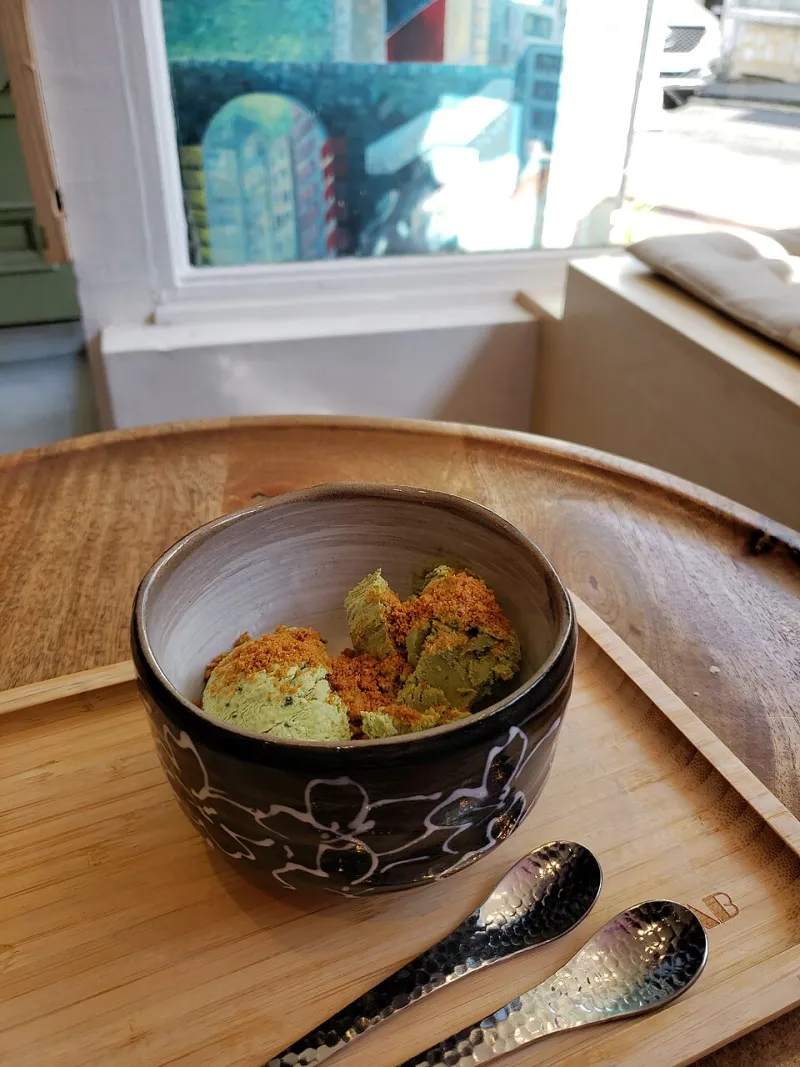
- Course four: something sweet, small. A few orange segments. A single mochi from the freezer aisle. Done.
The pacing does two things. First, it slows everyone down — dinner lasts 45 minutes instead of 12. Second, it gives you natural check-ins. Each course is a fresh start, so one flop doesn't poison the whole evening.
Five Chef's-Choice Menus That Won't Start a Rebellion
If you're going full omakase, you still need to be a benevolent dictator. Here's a week of menus that respect the format without scaring the children:
Monday — Diner's Choice, Diner's Regret: Miso soup, chicken katsu with shredded cabbage, rice, cut apple slices. A confidence-builder. Serve this one first to establish goodwill.
Tuesday — The Noodle Opera: Cold sesame soba to start, then a small bowl of uke-style udon with whatever vegetables need using. Frozen udon is a gift from the gods and nobody needs to know.
Wednesday — Omurice Night: The theatrical showpiece. Ketchup rice, thin omelet, dramatic slice down the middle at the table. If your omakase career peaks here, that's fine. It's a good peak.
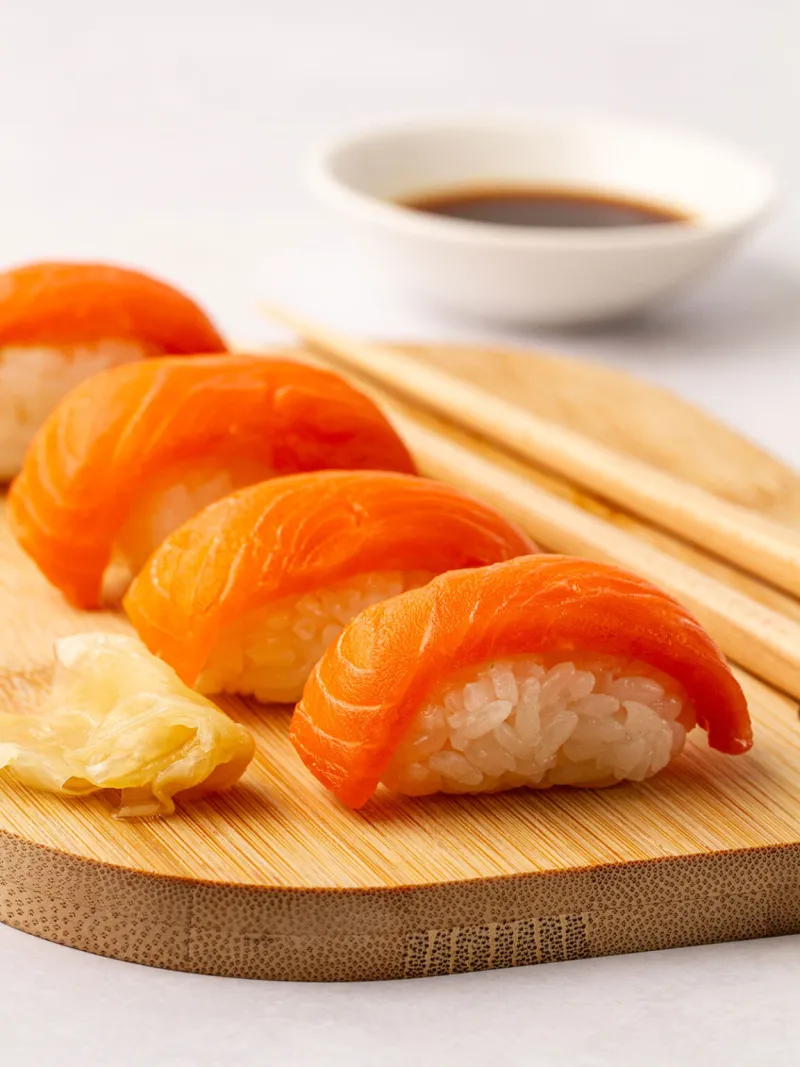
Thursday — Counter Service: Cucumber rolls, tamagoyaki, and grilled salted salmon, served in courses on small plates. This is the closest to a real sushi counter experience and it costs about eight dollars a head.
Friday — Trust Fall: The true test. One mystery course, one sure-thing course, one dessert. The mystery can be anything — a new pickle, a different fish, a tofu dish you've never made. The sure-thing and the dessert are your insurance policy.
Selling the Skeptics
My husband's first reaction to 'no substitutions' was a long, silent stare. My daughter's was louder. Here's what actually worked:
Give them a title. My daughter is now 'the sous chef,' which means she gets to watch, taste, and opine — just not veto. Participation defuses resistance.
Keep the mystery fun, not stressful. I'll sometimes write the menu on folded paper and reveal each course with a flourish. It's dinner theater, and it costs nothing.
Let the win streak build. After three or four good nights, the trust does the work for you. Now when I say 'trust me,' there's actual trust. Mostly.
The Real Point
Nobody's confusing my kitchen with a two-star counter in Ginza. But the omakase format fixed something I didn't realize was broken: the assumption that dinner is a negotiation. When the menu is decided, the meal becomes an experience instead of a transaction. People lean in. People try things. My kid ate miso-glazed eggplant and lived.
The chef's choice isn't a gimmick. It's permission to cook with confidence — and to ask the people you love to meet you halfway, one small course at a time.