Stop Asking Guests What They Want for Dessert: Five Sweet Formulas That Trust the Kitchen
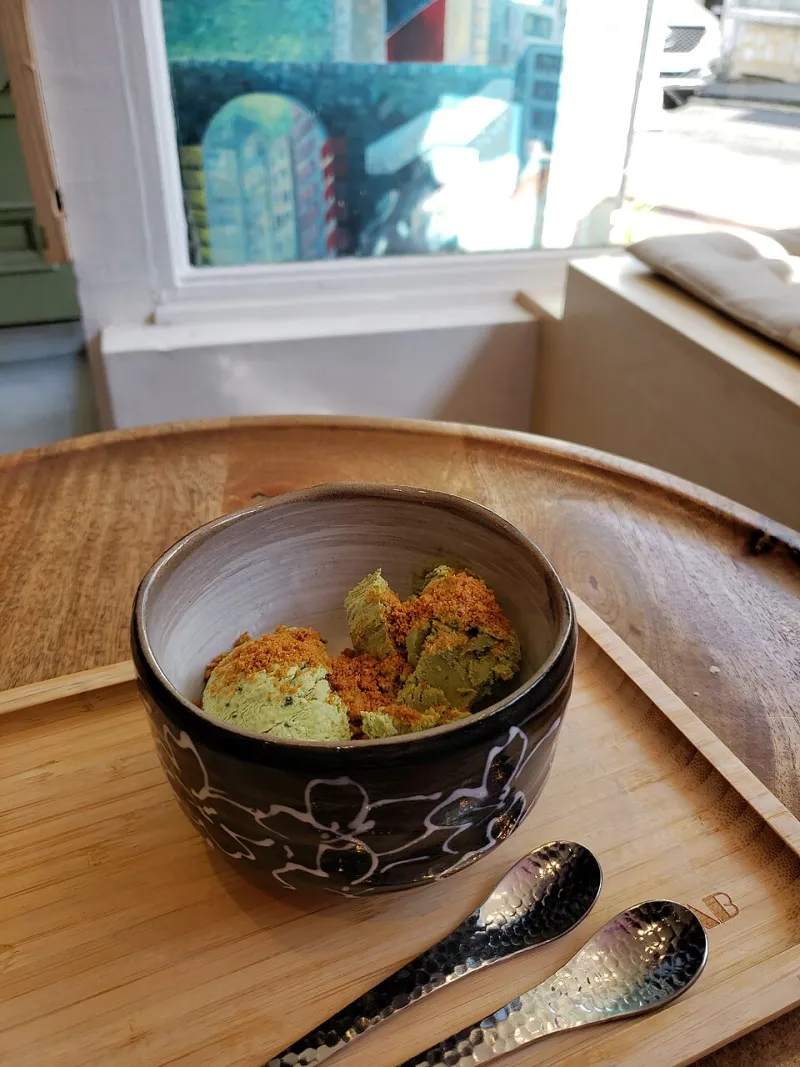
Photo: Andy Li, CC0, via Wikimedia Commons
There's a moment at every dinner party where the host's confidence quietly evaporates. It's not the main course. It's not the salad. It's the question that comes after the plates are cleared: "So... does anyone want dessert?"
That question is a surrender. You spent three hours on a braise nobody questioned, and now you're taking requests like a jukebox. At any respectable sushi counter, nobody asks the itamae what they feel like eating. You sit, you say hello, and the chef decides. The same logic should apply to the last course of your meal — maybe more than any other.
Dessert Is Where Home Cooks Lose Their Nerve
Think about your own rotation. If you're like most American home cooks, it's some combination of chocolate chip cookies from a bag, a pint of good vanilla with hot fudge, and maybe — if company's coming — a boxed brownie dressed up with sea salt. There's no shame in any of these. But there's also no point of view.
The reason isn't laziness. It's that dessert feels high-stakes. Savory cooking forgives improvisation; sweets feel like chemistry. So we retreat to what we know. The omakase answer to this isn't more technique — it's fewer decisions. Commit to a formula, trust your pantry, and stop polling the table.
Your Japanese Pantry Is Secretly a Dessert Toolkit
If you've followed the advice to stock your shelves Japanese-style, you're already halfway to a serious dessert game. The savory workhorses double as sweet-course power players:
- Kinako — roasted soybean flour, nutty and malty, somewhere between peanut butter and graham cracker
- Matcha — bitter, grassy, the antidote to one-note sweetness
- Yuzu kosho and yuzu juice — citrus with a floral edge you can't fake with lemon
- Miso — yes, miso. Salt plus umami plus caramel depth
- Kuromitsu — a dark, molasses-like syrup that puts corn syrup to shame
None of these require technique. They require conviction.
Five Chef's-Choice Desserts, Twenty Minutes or Less
1. Kinako-Dusted Vanilla Ice Cream
Scoop good vanilla into chilled bowls. Dust generously with kinako — don't be timid, it should look like fresh powder on a ski slope. Drizzle with kuromitsu. Done in ninety seconds, and it tastes like a toasted marshmallow met a latte. This is the dessert I make when I want people to ask what the "brown powder" is and then watch them go quiet.
2. Miso-Butter Caramel over Roasted Fruit
Melt two tablespoons of butter, add a quarter cup of brown sugar, and when it bubbles, whisk in a heaping teaspoon of white miso. Pour over halved and broiled peaches, pears, or — in a pinch — a banana split lengthwise. The miso doesn't make it taste Japanese; it makes it taste like the best caramel you've ever had.
3. Matcha Affogato
Affogato means "drowned" in Italian, and the Japanese version drowns differently. Place one scoop of vanilla ice cream in a glass. Sift a teaspoon of matcha over it, then pour hot water sweetened with a little honey over the top. The hot-cold, bitter-sweet collision does all the work.
4. Yuzu Granita (Freezer, Not Machine)
Stir the juice of two lemons, two tablespoons of yuzu juice, a third cup of sugar, and two cups of water together. Freeze in a shallow pan, raking with a fork every thirty minutes for two hours. It's the palate-cleansing intermission your heavy dinner party main course has been begging for.
5. Mochi and Ice Cream, Assembled Honestly
Buy good mochi (the freezer section of any Asian grocery has you covered), cut it into pieces, and scatter it over black sesame or vanilla ice cream with kuromitsu. Five minutes, and it's more interesting than anything you'd order at a chain restaurant.
Build a Trust-the-Kitchen Sundae Bar for Summer
For a cookout or backyard dinner, flip the script entirely: instead of a build-your-own sundae bar where guests make their own choices, run it like a counter service. You make the decisions; they enjoy the ride.
Set out one base — vanilla ice cream, always — then arrange your toppings in stations: kinako and kuromitsu, the miso caramel, matcha sifted with a small sieve, toasted sesame seeds, crushed rice crackers for crunch. Guests hand you a bowl, you look at them, and you compose something for that person. It takes a party trick and turns it into a performance.
A few hosting notes: keep the kinako in a shaker-top jar, warm the caramel just before serving, and limit each person to three toppings — yours to choose, not theirs. Constraints are what make it feel intentional.
The Point Isn't the Ice Cream
The last course sets the final impression of the meal, which is exactly why outsourcing it to a vote is such a mistake. When a sushi chef sends out tamagoyaki at the end, they're not asking what you're in the mood for. They're telling you who they are. Your dessert should do the same — even if who you are, tonight, is someone with a pint of vanilla, a jar of kinako, and the good sense not to ask.