Your Chef’s Best Fish Might Be Older Than Your Bread
Photo: Andrew Hillegass, Public domain, via Wikimedia Commons
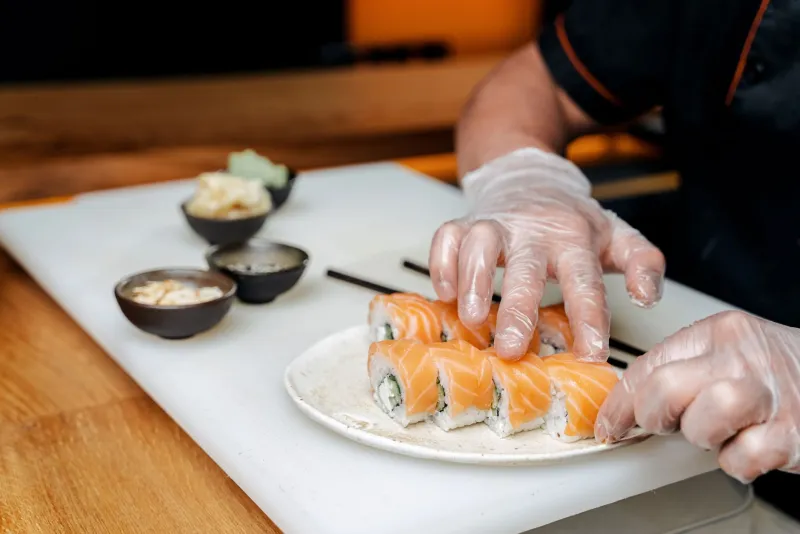
At a nine-seat counter in Seattle last month, a diner took a bite of aged kanpachi, sighed, and told the chef, “This tastes so fresh.” The chef nodded, smiled, and later told me it was the nicest insult he’d received all week. The fish had been landed four days earlier, lightly salted, rested, and wrapped in kelp. It was many things—clean, sweet, dense with umami—but same-day fresh it was not. That moment kept nagging at me. We use “fresh” as a compliment, but at an omakase counter it can miss the entire point of the chef’s work. The itamae is not trying to hand you the ocean in its rawest state. They are trying to hand you the ocean at the right moment.
Fresh Is a Timestamp, Not a Flavor
In everyday American grocery language, fresh usually means “not frozen,” “not canned,” or “bought recently.” It is a logistics word dressed up as a taste word. At a sushi counter, freshness is a starting condition, not a finish line. A piece of fish can be impeccably fresh and still be boring—firm, watery, under-seasoned, and tight with the kind of muscle tension that makes the first bite feel like a handshake instead of a conversation.
Aging, curing, and resting are how chefs turn that starting condition into something else. They are not trying to make fish “old.” They are trying to make it taste more like itself. The chef’s choice model depends on this: you sit down, you trust the kitchen, and the kitchen decides when each ingredient is ready. Sometimes that means same-day scallop. Sometimes it means tuna that has had time to relax. Sometimes it means rice that has been cooled to body temperature and rested just long enough to stop tasting like hot starch.
The Quiet Work Before the First Bite
Three techniques come up again and again when chefs explain this to diners. The first is kombujime, a kelp cure. Fish is wrapped or layered with dried kombu for anywhere from twenty minutes to several hours, depending on the fish and the chef. The kelp pulls out surface moisture and lends glutamates—the savory compounds behind umami. The result is not “kelpy.” It is deeper, cleaner, and slightly firmer, like the fish has had a chance to clear its throat.
The second is shime, a light vinegar cure often used for shiny fish like mackerel, sardines, and saba. Salt and vinegar tighten the flesh and tame the fish’s oiliness without turning it into pickled fish. Done well, shime is a whisper, not a shout. The third is careful aging, usually with salt, controlled humidity, and a refrigerator that is colder and more disciplined than most home kitchens. Enzymes break down proteins, moisture leaves, and the fish gains texture and savory depth. This is the part that makes some American diners nervous. It should. Aging raw fish is a professional technique with real food-safety stakes, not a TikTok challenge.
I asked three US chefs—one running a Chicago omakase counter, one at a Portland fish market with a tasting menu, and one at a Los Angeles sushi bar—what they wish diners understood. All three said some version of the same thing: “Fresh” is what customers say when they don’t have another word for clean. What they mean is that the fish does not taste fishy, that the texture is pleasant, that the rice is not glue. Those are good things. They are not the same as freshness.
What Chefs Hear When You Say “Fresh”
At a sushi bar, the word can also reveal an expectation. Many US diners grew up with the idea that the best fish is the fish you bought this morning. That is a reasonable instinct. It is also why some people are surprised by the idea of a chef resting tuna for days or curing mackerel before it ever hits the rice. The chef is not ignoring freshness. They are managing it. They are asking: when will this ingredient taste best? Not: how quickly can I serve it?
This is where trust matters. Omakase is a handoff. You are not ordering a la carte; you are letting the itamae decide the sequence, the seasoning, and the timing. If you spend the meal grading each bite against a grocery-store definition of fresh, you may miss what is actually in front of you. A great piece of nigiri can be bright and clean and still have a quiet, savory bass note underneath. That note is often time.
Rice, Vegetables, and the Resting Rule
The same logic applies beyond fish. Sushi rice is cooked, seasoned with vinegar, sugar, and salt, then cooled and rested. Serve it piping hot and the grains are too soft and the vinegar is too loud. Let it sit too long and it turns stiff. The sweet spot is a narrow window that chefs chase all service. Vegetables get the treatment too. Salt draws out water and concentrates flavor. A quick cure can make cucumber crunchier, radish sweeter, and mushrooms more mushroomy. Even a simple tomato benefits from a little salt and a few minutes of patience.
None of this is about age for age’s sake. It is about control. A chef is not letting ingredients go bad. They are steering them toward a peak. That is the difference between “old” and “aged,” and it is the difference between a careless home experiment and a professional technique.
A Safe Home-Cook Version of Trusting Time
Home cooks should not try to replicate a sushi bar’s aging program in a standard refrigerator. Start smaller and safer. Buy fish only from a reputable purveyor that labels it sashimi-grade and gives clear handling instructions. Keep it colder than you think—your fridge should be at or below 38°F—and use it within the window the seller recommends. If you want to try kombujime, do a short cure: wrap a small piece of sashimi-grade fish with dried kombu for twenty to thirty minutes in the fridge, then wipe off the kelp and taste it side by side with an untreated piece. You will notice texture and savoriness, not fishiness.
For vegetables, salt and rest is the beginner’s gateway. Slice cucumbers, salt them lightly, wait ten minutes, and drain the water. Do the same with cabbage for a slaw. For cooked fish, you can be more adventurous: salt-cure salmon lightly for a few hours, or rest a cooked piece of fish in its own juices. For rice, cook it, season it, and let it come down to warm room temperature before you judge it. The difference between hot and rested sushi rice is the difference between a shrug and a sigh.
The Real Definition of Fresh at the Counter
So what should you say when the fish is extraordinary? You can say it tastes clean. You can say the texture is beautiful. You can ask the chef what they did to it. That last one is usually the best move. Chefs love talking about kombu, salt, vinegar, and time—especially when the diner is genuinely curious. “Fresh” is not a bad word. It is just too small for what happens at a good omakase counter. The best fish is not always the newest fish. It is the fish the chef knows how to bring to its best moment. That is the whole bargain: chef’s choice, every day. Trust the itamae.