When the Tomato Outshines the Tuna: Inside America's Chef's-Garden Omakase Boom
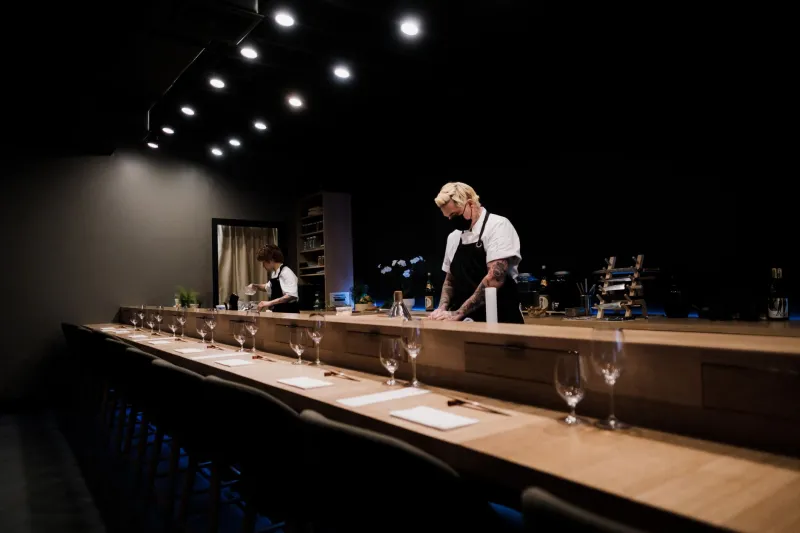
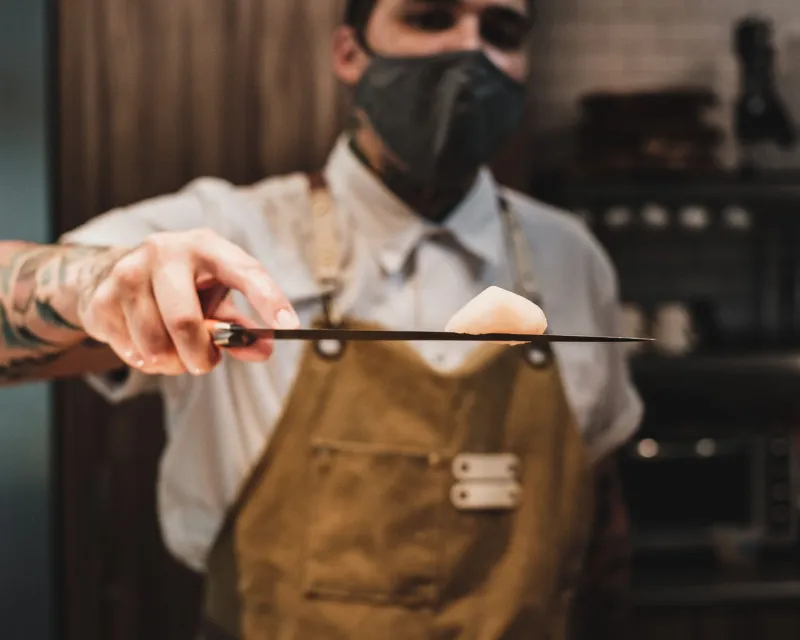
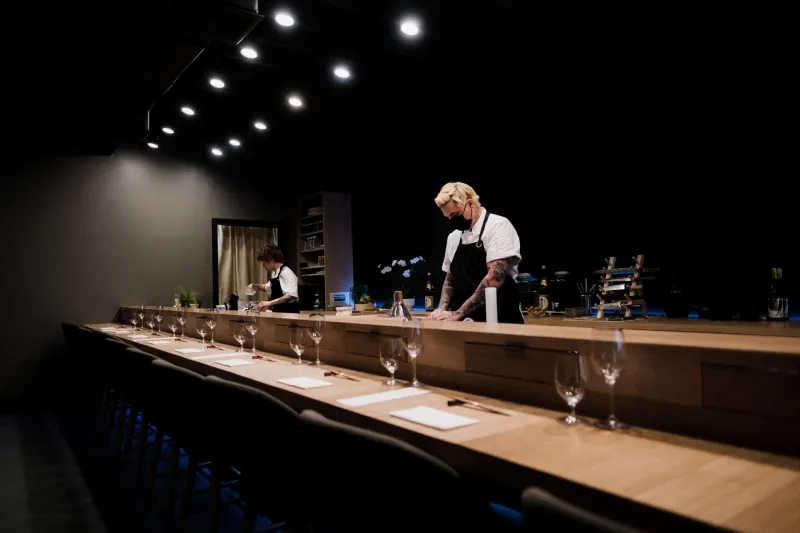
Somewhere between the fourth and fifth course at a nine-seat counter in Chicago, the chef set down a single slice of tomato. Not tuna. Not wagyu. A tomato — grown forty miles away, picked that morning, seasoned with nothing but salt and a whisper of dashi. The room went quiet. Then everyone reached for their phones.
This is happening all over the country. The omakase format, built on trust and whatever the itamae decided was best that morning, has always been about the day's finest ingredient. Increasingly, that ingredient isn't swimming. It's growing.
The Garden Joins the Counter
Sushi tradition has always respected vegetables — think of the pickles, the shiso, the wasabi grated fresh on a sharkskin board. What's changed in America is ambition. Chefs at counters in New York, Los Angeles, Portland, and Austin are now treating produce the way sommeliers treat wine: as a living expression of a specific place, a specific farmer, a specific week.
A beefsteak tomato from one farm in late August tastes nothing like the same variety grown twenty miles east. A ramp foraged in April has a window of maybe three weeks. That scarcity, that ephemerality, is exactly what makes it omakase-worthy. You don't get to order it. You get to be lucky enough to be seated the night it's on the board.
Meet the Growers Feeding the Fishless Course
I called a few of the farmers supplying these counters, and the story they tell is remarkably consistent.
The wasabi guy in the Midwest. Real wasabi — the actual plant, not the horseradish-and-green-dye blend in most sushi spots — is notoriously difficult to grow. It wants shade, cool running water, and patience. A handful of growers in Ohio and the Pacific Northwest have cracked the code using shade cloth and spring-fed beds. Their rhizomes sell out to restaurants months in advance, and chefs will tell you the difference is startling: floral, sweet, almost herbal, with a heat that fades instead of punishing.
The tomato obsessives. Several high-end counters now list the farm name on the menu the way they'd list a tuna's port of origin. One grower outside Hudson Valley told me she grows eleven varieties specifically for a single sushi chef, chosen for texture over sweetness — firm flesh, low water content, so the slice holds its shape under the knife.
The foragers. Ramps, fiddleheads, wild watercress, sea beans gathered along coastal marshes. Foraged product arrives in small lots with unpredictable timing, which sounds like a logistics nightmare until you realize it's the perfect omakase ingredient: the chef didn't plan the menu. The forest did.
Why Chefs Are Betting on Vegetables
Talk to itamae about this shift and a few reasons come up again and again.
Fish is expensive and getting worse. Bluefin prices, supply volatility, sustainability pressure — building a whole menu around premium seafood is harder every year. A spectacular tomato costs eight dollars. A spectacular otoro does not.
It creates a signature moment. In a city with a dozen omakase counters, the place remembered as "the one with the vegetable course" has a story to tell. Diners who can't tell good tai from great tai absolutely can tell a great tomato from a grocery store one.
It honors the spirit of omakase. The whole philosophy is surrender — the chef chooses based on what's best today. Leaning into peak-season American produce isn't a departure from that. It's the purest version of it.
Where the Vegetable Course Steals the Show
Want to taste this movement for yourself? Here's what to look for when booking:
- Counters that name their farms. If the menu credits a specific grower next to the produce, you're in the right room. That accountability means the chef cares.
- Seasonal booking windows. Some spots only run their produce-forward menus for a few weeks — ramp season in spring, tomato season in late summer. Follow their social feeds and pounce.
- Ask about the wasabi. Any counter grating fresh wasabi to order is signaling that its sourcing extends well past the fish case.
- Don't skip the pickle course. Tsukemono made from farm vegetables — turnips, cucumbers, even kohlrabi in a rice-bran bed — is often where these chefs quietly show off.
Trust the Garden
The best omakase meals have always been a conversation between chef and season. What's new is that American chefs are having that conversation with American soil. The fish still matters — of course it does. But the next time a slice of something grown in dirt lands on your plate at a sushi counter, don't reach for the soy sauce.
Reach for the same thing you'd bring to any great omakase meal: a little faith in whoever's standing behind the counter.