Four Chairs, One Chef, Zero Escape Hatches: Inside America's Micro-Omakase Obsession
There's a supper club in a Sacramento garage that seats four people. One seating a night, three nights a week. The chef — a former pastry cook from a hotel group — shops at the Sunday farmers market, texts the guests the menu the morning of, and cooks everything within arm's reach of where they sit. Reservations open on the first of the month and are gone in under two minutes.
That's not a fluke. That's the direction a certain slice of American dining is headed, and it's worth understanding why.
When the Room Shrinks, the Stakes Rise
A traditional omakase counter already runs on trust: you hand over the menu decisions, the chef hands back a story. But most counters have a buffer. A second cook on the rice station. A front-of-house person handling drinks and small talk. Somewhere to step away when a course needs a minute.
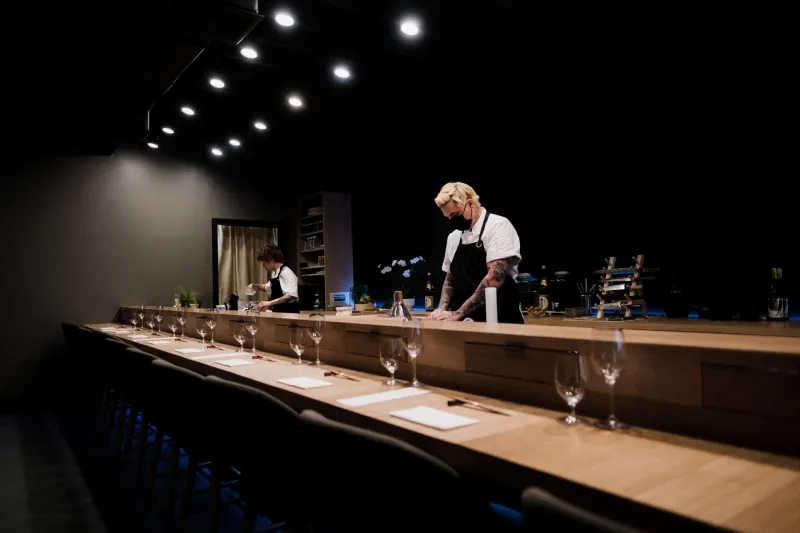
A micro-omakase has none of that. It's one person, a few seats, and a pace that can't be faked. Every slice happens in full view. Every pause is yours to interpret. Diners who chase these experiences will tell you the same thing: it feels less like a restaurant and more like being invited into someone's kitchen — because you basically are.
The intimacy changes the food, too. With four guests instead of fourteen, a chef can serve things that wouldn't survive volume. A single perfect piece of aged kinmedai. A broth that took two days. A course built around one tomato from a farm sixty miles away that only had twelve ripe ones this week.
Why We Crave Smallness
Part of it is scarcity economics — limited seats create demand the way limited sneakers do. But the deeper pull is accountability. In a big dining room, responsibility gets distributed until it's invisible. At a one-chef counter, there's no one else to blame and nothing to hide behind. If the rice is off, you taste it. If the fish is tired, you know.
Paradoxically, that exposure is relaxing. You're not evaluating a brand or a concept. You're watching a person cook, and the feedback loop is instant and honest. It's the dining equivalent of buying tomatoes from the farmer who grew them.
There's also a post-pandemic texture to it. American diners got used to ticketed events, pop-ups, and paying a deposit for a seat at someone's table. The infrastructure for tiny, ephemeral restaurants already exists — state cottage food laws, Instagram DMs, reservation links on Linktree. All that was missing was the format, and micro-omakase is the format.
What It Actually Costs
Pricing at these counters is all over the map, and that's part of the confusion worth clearing up. A garage counter in Sacramento might charge $85 a head. A solo chef in Brooklyn running two seatings out of a rented commercial kitchen can push $200 or more. The difference usually comes down to product, not skill.
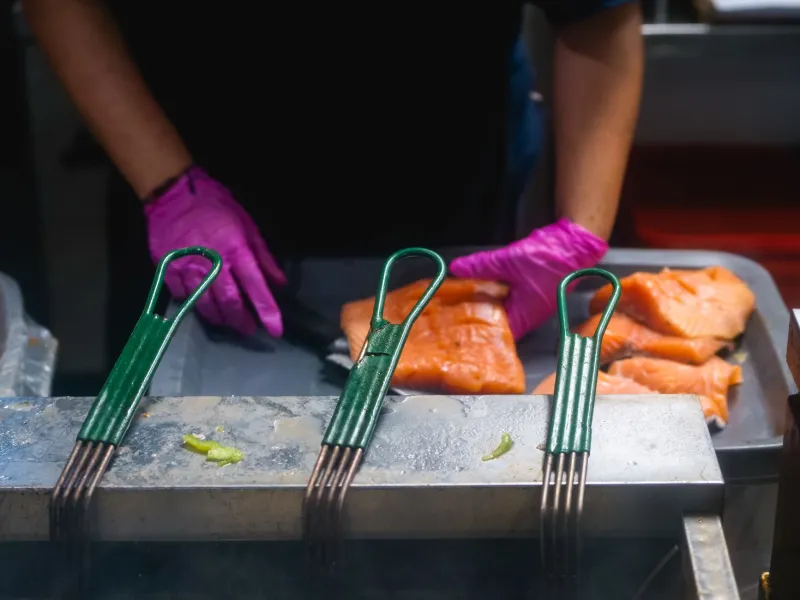
Here's the rough math a small operator faces: with four seats and one seating, a chef's gross revenue for the night might be $340. Subtract fish from a quality purveyor, sake, propane, and the hours of prep, and you understand why the good ones raise prices until the room fills slower. When you book one of these, you're not paying for a bargain. You're paying for a person's full attention, and attention is the rarest ingredient on the menu.
How to Get a Seat (and How to Behave Once You Have It)
These experiences live in the gaps — Instagram, word of mouth, local food Discord servers, newsletters with subscriber counts in the hundreds. Follow the chefs, not the venues. The best ones announce openings with a link and a time, and that's the whole funnel.
Once you're booked:
- Show up hungry and on time. There's no bar to wait at and no table to hold. Late arrivals stall the entire evening.
- Skip the substitution requests. You already know this, but it bears repeating when the person cooking can hear every word.
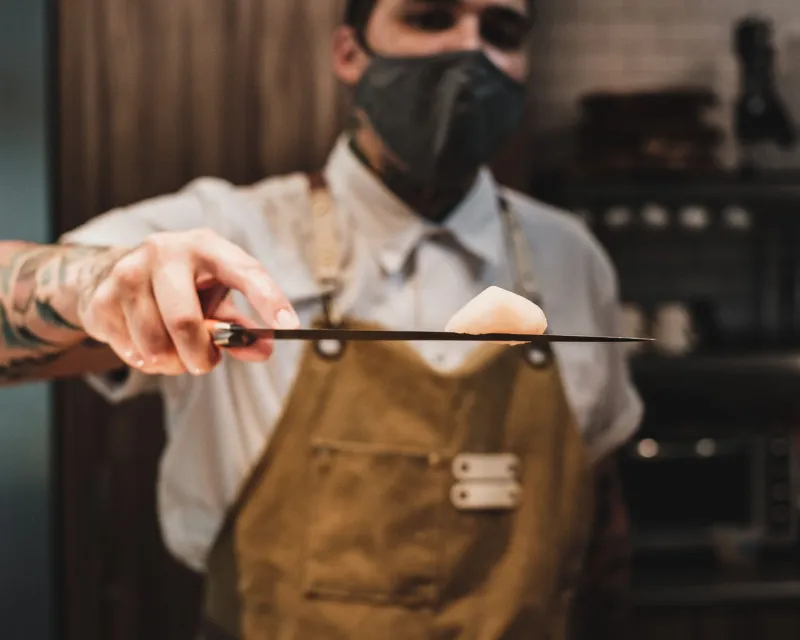
- Ask questions mid-service. Unlike a big counter, conversation here is part of the product. The chef will talk about the fish, the farm, the knife. Let them.
- Pay attention to the last course. At a counter this small, the finale is personal. It's often the dish the chef actually wanted to cook all night.
The Takeaway
Micro-omakase isn't a trend so much as a correction. It strips dining back to its smallest honest unit: one cook, a few guests, and a menu only one of them decided. If you ever get the chance to sit at a counter with more empty chairs than filled ones, take it. You'll spend the whole meal realizing there's nowhere for the chef to hide — and, somehow, nowhere you'd rather be.