Your First Nigiri Is a Pop Quiz You Didn’t Know You Took
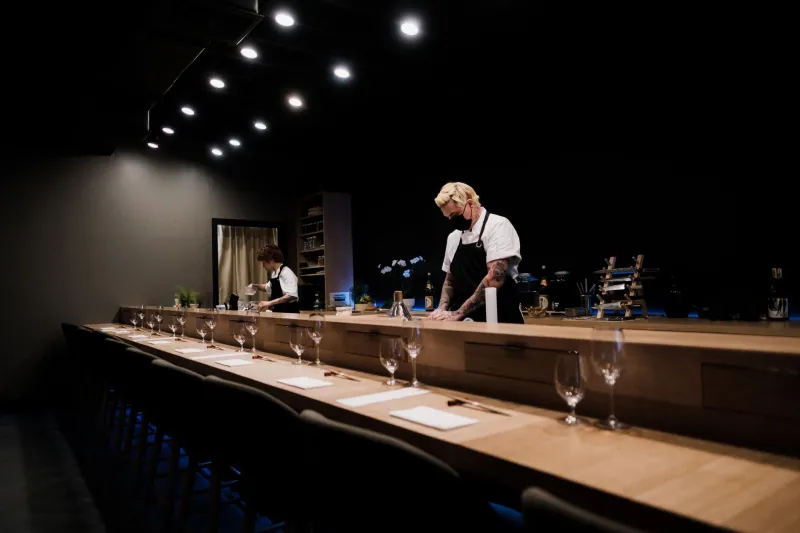
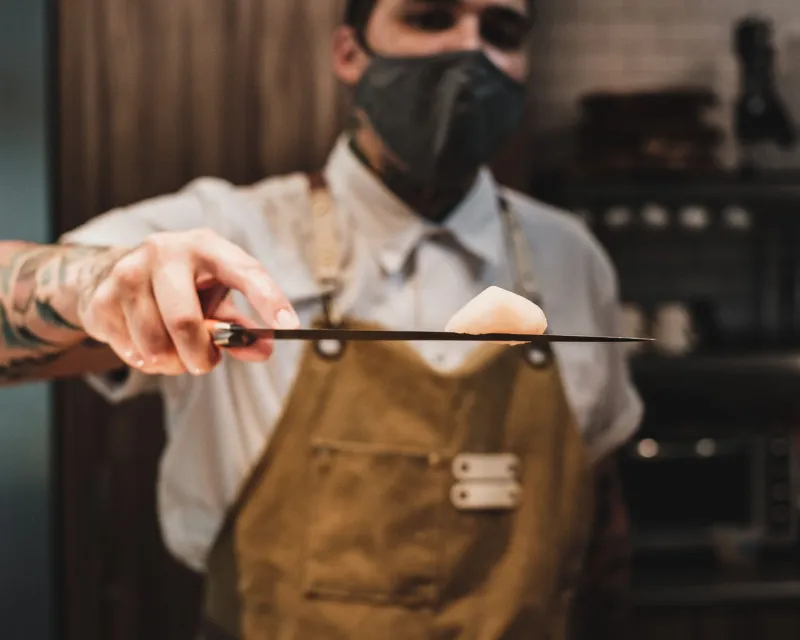
The first piece of nigiri at an omakase counter looks like a gift. It is actually a test. Not a gotcha test, not a pass/fail—more like the first handshake at a job interview, where both sides are deciding how the rest of the conversation should go. The chef is watching how you take that bite, and the meal you eat from course two onward is often not the meal they had planned when you sat down.
This is one of the least discussed parts of the omakase experience in the US, where plenty of diners walk in expecting the chef’s best bite first. At a good counter, the opening piece is frequently something leaner, simpler, and more diagnostic than delicious in a fireworks sense. It’s a probe. And if you know how to read the moment, you can see the menu being edited in real time.
The first bite is data, not a finale
A chef isn’t just checking whether you liked it. They’re checking how you liked it. Did you chew slowly or knock it back? Did you reach for the soy sauce before tasting? Did you pick it up with your fingers or chopsticks, and which hand? Did you say anything, or did you go quiet? Did you look at them, at the fish, or at your phone?
All of that gets filed away fast. At a busy counter, the itamae may be working with a two-hour window, a set number of courses, and a party of eight with different tolerances. The first nigiri is the cheapest, fastest way to sort the room. It’s not about judging you. It’s about calibrating you.
What they’re actually watching
Pace. If you eat the first piece in one bite and immediately look up, the chef knows you’re ready for a quicker tempo. If you nibble, set it down, and take a sip of water, they’ll likely slow the next few pieces and give you more breathing room. Neither is wrong. Both get noted.
Handedness. This sounds minor until you’ve watched a chef place every piece slightly left or right of center. A left-handed diner who keeps reaching across a partner gets a quiet adjustment in placement. Good counters notice.
Wasabi tolerance. The first piece is often lightly wasabi’d, but not always. If you flinch, scrape, or ask for none, the chef will dial it back without making it a thing. If you ask for more, they’ll remember—and they may also watch to see whether you actually mean it.
Soy habits. A diner who dunks the rice side into soy sauce tells the chef something. A diner who asks for extra soy tells them something else. Most itamae won’t scold you, but they will adjust the seasoning of later pieces, often by doing less, not more. If you’ve already salted yourself into next week, they’re not going to pile on.
Conversation. A first bite can reveal whether you want a silent, focused meal or a chatty one. Chefs read the difference between a nervous joke and a genuine question. They also read the diner who asks “What should I notice here?”—that person usually gets a little more explanation on the next course.
Why the opening piece is rarely the best one
The best bite of the night is usually somewhere in the middle, after the chef has your number. The opener is often something clean and direct: a lean fish, a little vinegar, a restrained brush of nikiri. It’s not a throwaway. It’s a baseline.
Think of it like a sound check. You don’t open with the loudest song in the set. You make sure the room can hear the quiet stuff first. At a US omakase counter in 2026, where a single seat can run from $50 to $500, that quiet opening piece is also a bit of financial diplomacy. The chef is figuring out how much luxury you actually want, and how fast.
The real menu begins after your reaction
Here’s the part that surprises people: the menu you were told about at the start is often a loose sketch. After the first bite, the chef may reorder courses, swap a fatty cut for a leaner one, add a pickled vegetable, shorten the rice portion, or stretch the pacing. If you cleaned your plate and asked about the vinegar, you might get a second piece of the same fish with a different cure. If you pushed the rice aside, you might get smaller nigiri and more sashimi-style courses.
This isn’t random. It’s the chef’s-choice model doing exactly what it’s supposed to do. Omakase means “I leave it to you,” and the chef is leaving a portion of the decision to your face. The first bite is where that contract gets signed.
How to read the cues without performing
The worst thing you can do is try to game it. Chefs have seen the diner who moans theatrically after every piece and the diner who announces “I’m a serious eater” before the first course. Neither helps. The counter reads sincerity better than enthusiasm.
A few practical notes for your next seat:
- Eat the first piece the way you normally would. The chef needs real data, not a performance.
- If you have a preference—no wasabi, lighter soy, slower pace—say it once, early, and then let it go.
- Ask one genuine question if you’re curious. “Is this the same fish as the next course?” is better than a monologue about your last trip to Tokyo.
- Watch where the chef places the next piece. A slight pause or a smaller portion is often a response to you.
The quiet rewrite
At its best, omakase is a conversation with very few words. The first nigiri is the opening line. The chef watches, you react, and the rest of the meal bends around that exchange. You don’t need to know the vocabulary to participate. You just need to show up honestly and let the kitchen do the reading.
That’s the trust fall. The first bite isn’t the best bite. It’s the bite that makes the best bites possible.