The Most Important Course Is the Email: How Omakase Chefs Plan Around Allergies
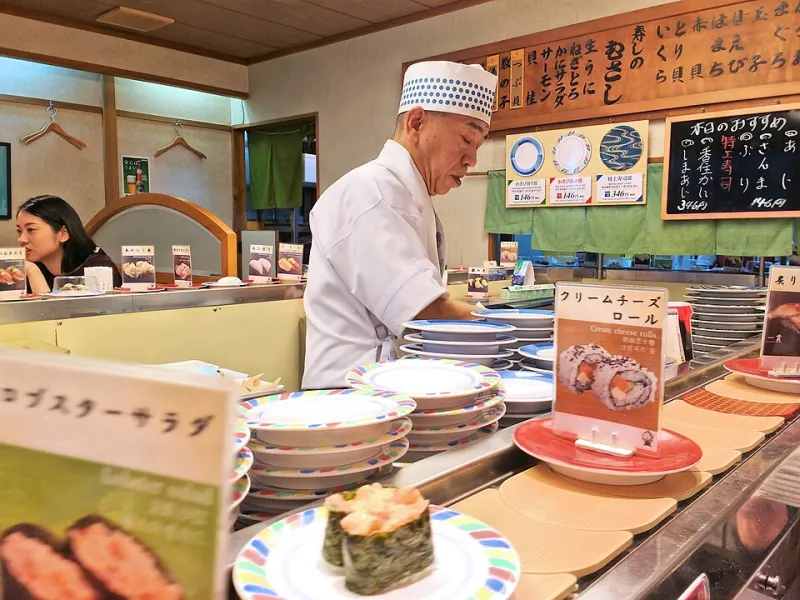
Photo: Marek Ślusarczyk (Tupungato) Photo portfolio, CC BY 3.0, via Wikimedia Commons
Omakase is a promise. You sit down, you hand over the decisions, and the chef builds a meal in front of you. But there is a second promise running underneath the first one, and it rarely gets discussed when you book the seat: the chef has to keep you safe while doing it.
At a regular restaurant, an allergy is a menu problem. You scan the list, ask about the dressing, pick something else. At an omakase counter, there is no list. The menu is a sequence, often built weeks ahead around fish that was ordered that morning. A swap is not a swap. It is a rewrite.
That is why the most important course at a modern omakase meal may not be the otoro or the hand roll. It may be the email you send before you ever walk in.
The Counter Is Not a Regular Table
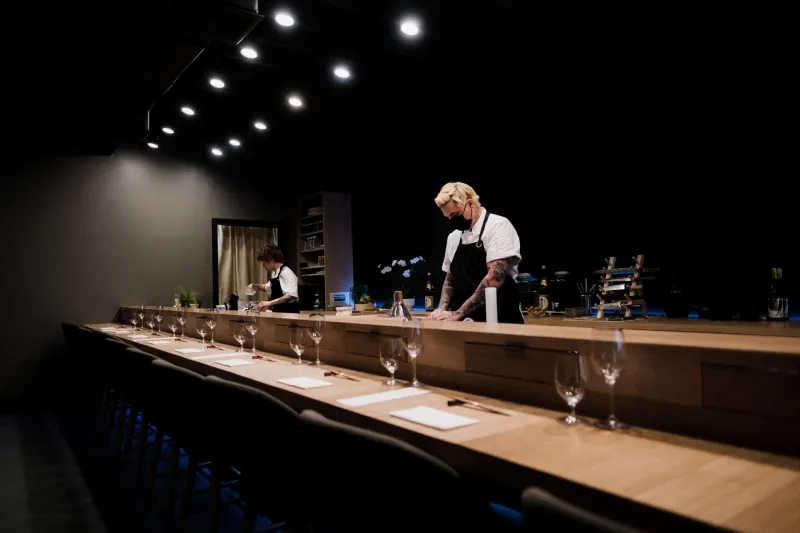
Most omakase bars in the US run on a fixed menu and a fixed number of seats. In 2026, that often means a prepaid reservation through a platform like Tock or Resy, a deposit, and a cancellation window measured in days, not hours. The chef has already ordered the fish. The rice has already been seasoned. The garnishes have already been prepped.
This is also why so many omakase rooms say no substitutions. It is not a personality flaw. It is logistics. A kitchen that serves twelve people the same twelve courses cannot keep a gluten-free, shellfish-free, soy-free backup version of every dish in the walk-in.
What a good chef can do is build a different sequence for you from the start. But that only works if they know early.
What Chefs Can Actually Work Around
Ask enough itamae and you hear the same distinction: allergies are a safety issue, aversions are a preference, and the two deserve different conversations.
A serious shellfish allergy is not something a chef wants to hear about when the first course is already on the counter. If the email arrives a week ahead, the chef can change the order of the meal, bring in a different fish, or use a separate cutting board and knife. One Chicago itamae told me he keeps a dedicated set of tools for a regular guest with a severe shellfish allergy, not because cross-contact is likely on a clean counter, but because trust is the whole point of the format.
Gluten is trickier. Soy sauce is everywhere in a sushi bar. So is malt vinegar in the rice seasoning, and sometimes barley in the miso. A chef who knows ahead can use tamari, adjust the shari, or skip a course entirely. A chef who finds out at the counter is mostly guessing.
And some allergies are simply too dangerous for a room built around one shared menu. A severe allergy to fish itself is an obvious example. So is a serious airborne reaction to shellfish steam. In those cases, the responsible answer is often not a modified menu. It is a recommendation to book somewhere else.
That can feel harsh. It is not meant to be. A chef who says no is often telling you they cannot guarantee the thing you actually need: a safe meal.
Aversions Are a Different Conversation
Not every restriction is medical. Some guests do not eat raw fish. Some hate uni. Some are pregnant and avoiding high-mercury species. Some are observing a religious fast or a personal rule.
Chefs generally have more room here, but the same rule applies: tell them early. An aversion to sea urchin is easy to route around. Aversion to all raw fish is a bigger request. Aversion to rice, which sounds absurd until you meet a guest on a strict keto plan, is essentially a different restaurant.
A good reservation note does not need a medical history. It needs a clear sentence: what you cannot eat, how serious it is, and whether cross-contact is a problem. That is enough for a chef to decide whether they can build a meal for you.
The Email That Saves Your Seat
If you have a serious allergy, do not bury it in the special-requests box. Send a short note directly to the restaurant after you book. Keep it specific and plain.
- Name the allergen clearly. Not “seafood,” but “shellfish, including shrimp, crab, lobster, and scallops.”
- Say how severe it is. “I carry an EpiPen” tells the chef more than “I have an allergy.”
- Mention cross-contact. “Shared fryer is fine” or “shared cutting board is not” changes the plan.
- List the things you can eat. A chef building around you will appreciate knowing that soy is fine but gluten is not.
- Ask whether they can accommodate you, and accept the answer.
A phone call works too. Many small counters prefer it. What matters is that the conversation happens before the fish is ordered, not after you are seated.
The Card at the Counter
A physical allergy card is still useful, especially if your allergy is complex or if you are traveling. In a loud room, a small printed card with your name, your allergens, and an emergency contact can do more than a rushed explanation. It also signals that you are not asking the chef to improvise on the spot.
But the card is a backup, not a substitute for the email. The card helps the line cook. The email helps the chef plan.
The Payoff Is a Better Meal
Here is the part that gets lost in the no-substitution debate: when you tell a chef early, you are not asking for a lesser experience. You are giving them room to make a better one.
I have watched a chef replace a uni course with a grilled mushroom preparation for a guest who could not eat shellfish, and the room did not feel cheated. I have seen a sushi bar swap in a tamari-based nikiri for a guest with a wheat allergy and send out a meal that looked like everyone else’s. The guest relaxed. The chef relaxed. The meal got better.
Omakase asks you to trust the chef. The allergy email is how you start. It is the first course, the one that happens in writing, weeks before the first piece of fish ever touches rice. And like every good course, it works best when it is honest, specific, and served early.