Stock It Once, Eat Like an Itamae All Week: The 12-Jar Japanese Pantry
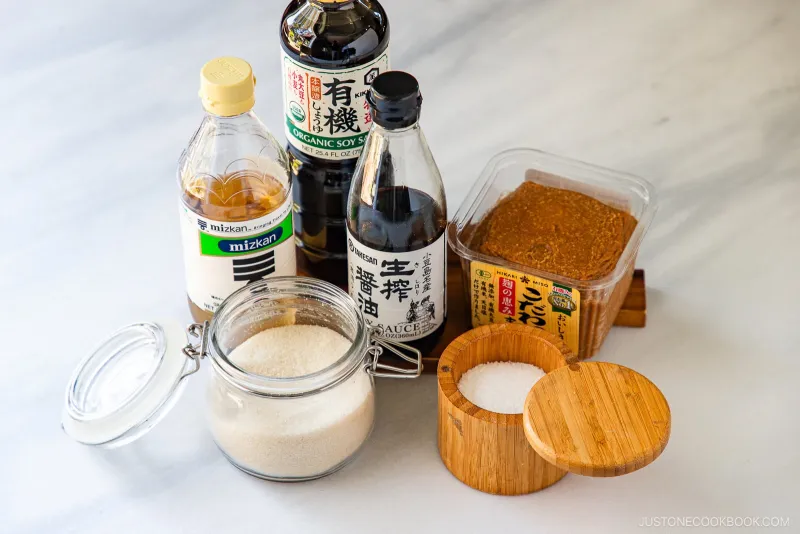
Photo: japanese pantry ingredients soy sauce miso kombu on wooden shelf, via www.justonecookbook.com
There's a moment at every good sushi counter when you realize the chef isn't doing anything flashy. The rice is seasoned perfectly. The fish is cut with intent. The whole experience runs on a small arsenal of ingredients, each one doing quiet, precise work.
Here's the good news: that same arsenal fits on one shelf of your kitchen. Build it once, and a whole universe of weeknight cooking opens up — faster than takeout, cheaper than the sushi bar.
The Core Four (Start Here)
1. Soy sauce — but the right kind. Skip the shelf-stable packets. Buy a naturally brewed (look for "jun" or "honjozo" on the label) Japanese soy sauce like Kikkoman's standard red-cap bottle or, if you want to splurge, Yamasa's. The difference between naturally brewed and chemically hydrolyzed soy sauce is the difference between wine and wine-flavored drink mix.
2. Mirin. Here's the myth: most "mirin" at American grocery stores is aji-mirin — mirin-style seasoning with added sugar and salt. It works fine. True hon mirin (like Mitsukan) has deeper acidity and is technically a liquor, so it sometimes lives near the wine. Either is fine for teriyaki and glazes; just don't buy anything labeled "mirin-flavored" that lists corn syrup first.
3. Rice vinegar. For sushi rice, quick pickles, and dressings. Mizkan and Marukan are everywhere and cheap. Unseasoned only — the seasoned stuff has sugar and salt already in it.
4. Toasted sesame oil. This is a finishing oil, not a frying oil. A few drops at the end of a stir-fry or over rice, and suddenly everything smells like your favorite Japanese restaurant.
The Umami Engine Room
5. Kombu. Dried kelp, the backbone of dashi. Wipe it, soak it in water for 30 minutes, heat slowly, pull it out before it boils hard. That's it — you've made soup stock. Trader Joe's and most co-ops carry it now; Asian grocery stores have it for a few dollars.
6. Katsuobushi. Smoked, fermented bonito flakes that dance when you sprinkle them on hot food (yes, really — it's the heat). Simmer with kombu for classic dashi, or pile on takoyaki and rice. Budget swap: hondashi granules from Ajinomoto taste surprisingly legit.
7. White miso. Milder and sweeter than red. Soup, obviously, but also glazes for salmon and black cod, salad dressings, even a smear on grilled corn. South River and Hikari are solid; grocery-store Miso Master works fine.
8. Furikake. Seasoned rice topping — seaweed, sesame, sometimes bonito. It's the fastest route from plain rice to something you actually want to eat. Nori Fume is the classic; any Asian market has five versions under $4.
The Flavor Accents
9. Yuzu kosho. A fermented paste of yuzu citrus and chile — bright, funky, spicy. A tiny dab on grilled chicken or sashimi is transformative. Find it at Japanese markets or online; the green version is sharper, red is earthier.
10. Shichimi togarashi. Seven-spice blend: chile, orange peel, sesame, seaweed. Shake it on udon, rice bowls, eggs, popcorn. This is the one jar you'll run out of first.
11. Toasted nori sheets. Not just for rolling. Cut into strips over ramen, wrap onigiri, or tear over rice with soy sauce and an egg.
12. Short-grain rice. Calrose (a medium grain grown in California) is the budget-friendly, totally acceptable option. Kokuho Rose is another West Coast staple. You don't need imported Koshihikari at $15 a bag — but if you splurge once, you'll understand the hype.
Where to Buy Without Going Broke
Priority order: your local Asian grocery (cheapest and freshest), then online retailers, then mainstream supermarkets — most of this list is now at Kroger, Safeway, or Whole Foods. Total startup cost if you go store-brand and Calrose rice: roughly $60. It'll last months.
Five Dinners This Pantry Unlocks
- Salmon miso-glaze — miso, mirin, soy, a little sugar. Broil. Done in 15 minutes.
- Proper dashi ramen night — kombu-katsuobushi broth, store noodles, nori, egg, shichimi.
- Oyakodon — chicken, onion, dashi, soy, mirin, simmered and poured over rice with egg.
- Sunomono — cucumber quick-pickled in rice vinegar, soy, sesame.
- Onigiri — rice, furikake, nori. The best desk lunch in America, currently.
That's the whole philosophy of omakase applied to your kitchen: fewer decisions, better ingredients, trust the fundamentals. Stock the shelf once, and every night the chef — that's you — chooses well.