The Secret Japanese Immigrants on Every American Menu (You've Already Eaten Them)
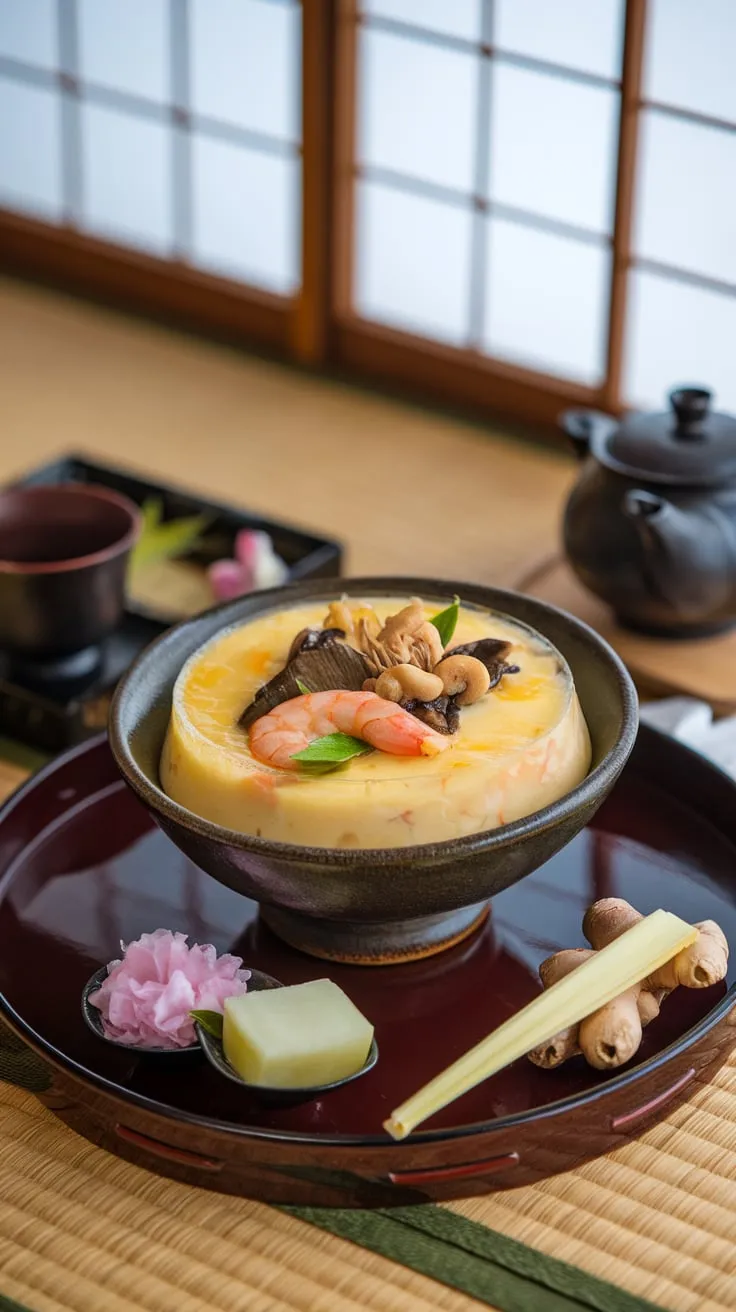
Photo: chawanmushi savory egg custard in ceramic bowl fine dining, via www.recipeineed.com
Here's a game I play when I sit down at a new restaurant in the US: count the Japanese techniques nobody mentions. Not the sushi bar, not the ramen shop — those announce themselves. I mean the stealth stuff. The silky egg custard hiding under seared scallops at a tasting counter in Portland. The citrus-soy glaze on wings at a chain sports bar in suburban Dallas. The tangy, spicy marinade on fried chicken at a gastropub in Austin that the menu just calls 'Nashville-meets-Tokyo.'
Once you start looking, you can't stop. Japanese flavors have become the quiet backbone of American cooking, and most diners have no idea it happened.
Chawanmushi: The Custard That Went Undercover
Chawanmushi — literally 'steamed in a tea bowl' — is the humblest dish in the classic Japanese repertoire. Savory egg custard, dashi-based, steamed gently until it wobbles like a nervous soufflé. In Japan, it's a comfort course. In America, it's become a cheat code.
Why? Because chefs figured out that dashi custard is a delivery vehicle for anything expensive. Lobster chawanmushi at fine dining spots on the coasts. Foie gras custard. Truffle custard. The technique lets a kitchen serve something delicate and luxurious in a format that feels novel to American diners without reading as 'foreign.' It's the rare Japanese dish that crossed over precisely by not advertising itself.
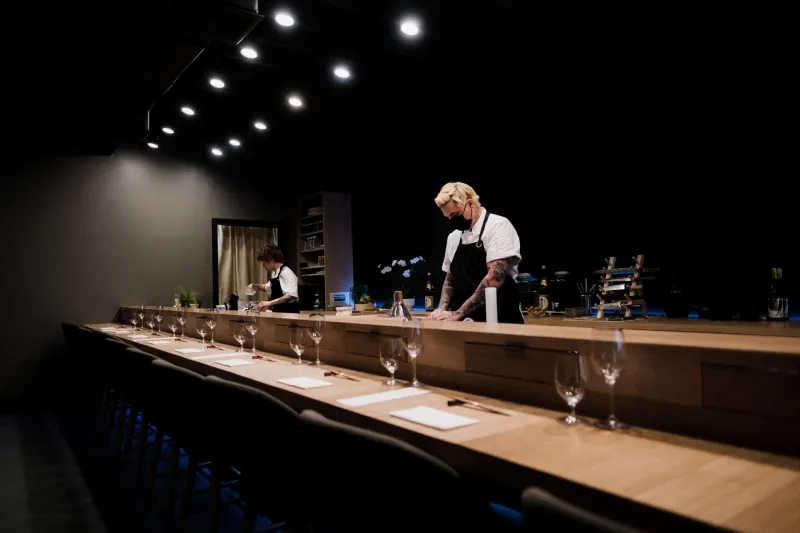
Michelin-starred tasting counters figured this out first. When your menu changes nightly based on the market — when you're operating in omakase mode, in other words — you need techniques that flex. Steamed custard flexes. It takes whatever the fishmonger had extra of and makes it look intentional.
Ponzu: The Condiment That Conquered the Chain Restaurant
Ponzu might be the most successful culinary immigrant nobody talks about. The blend of citrus — usually yuzu, sometimes sudachi or kombu-steeped stock — and soy sauce was traditionally a dipping sauce for shabu-shabu or a finish for grilled fish. Now it's on buffalo wings. It's in salad dressing bottles at grocery stores from Safeway to Whole Foods. It's drizzled over tuna tataki at every strip-mall sushi concept in America.
The genius of ponzu is that it tastes familiar to American palates without being familiar at all. Citrus? Check. Salty? Check. A little sweet, a little umami? Check and check. It hits the same pleasure buttons as a good vinaigrette or a teriyaki glaze, but with a brightness that makes everything taste more expensive. Sports bars figured out that ponzu-glazed wings photograph well and taste 'elevated' — the magic word of mid-2010s chain menus.
Nanban: The Fried Chicken Technique Hiding in Plain Sight
Then there's nanban — the style of fried chicken (chicken nanban, from Miyazaki prefecture) that gets marinated in sweet-sour sauce after frying and served with tartar sauce. Sound familiar? It should. Half the 'hot honey' fried chicken sandwiches in America are one pony ride away from nanban technique. Sweet-tangy glaze meeting crunchy fried bird is a universal language; Japan just got there centuries ago via Portuguese traders (the 'nanban' in the name literally means 'southern barbarian,' their word for the Europeans).
So the next time you bite into a vinegar-hot glazed chicken sandwich and think it's a Southern thing with a twist — well, the twist has a Japanese passport.
What This All Says About Us
Here's my theory about how America adopts Japanese cuisine: we don't adopt it. We metabolize it. Sushi arrived as an event, something special. Ramen arrived as a craze. But the deep cuts — the techniques, the condiments, the custards — they arrive through the back door, get absorbed into dishes with American names, and become invisible within a generation.
Which, honestly, might be the highest compliment a food culture can receive. Nobody notices the plumbing in a great house. Chawanmushi, ponzu, and nanban are the plumbing of modern American cooking.
So the next time you're at a tasting counter and the chef sends out an unassuming little cup of custard, or you dunk a wing in something citrusy and can't quite place it — tip your cap. The itamae got there first. He always does.