Sit Down, Relax, and Don't Drown the Fish: Sushi Bar Etiquette From a Chef Who's Seen It All
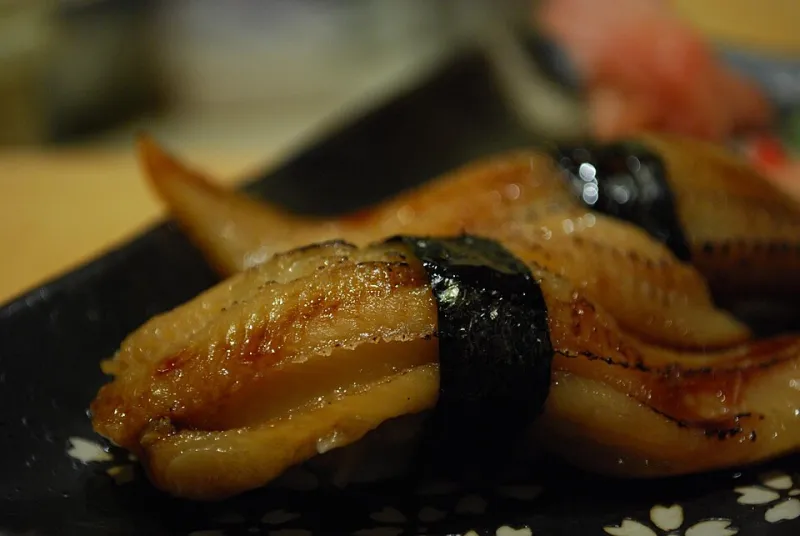
Photo: Alpha from Melbourne, Australia, CC BY-SA 2.0, via Wikimedia Commons
Every sushi chef has a story about the customer who dipped the rice side of the nigiri into soy sauce, watched it disintegrate, and then asked for extra wasabi on the side. The customer meant no harm. The chef just quietly died a little inside.
To sort etiquette from myth, we talked to Danny Morita (name changed at his request), who's spent eleven years behind counters in Los Angeles and Chicago. His opening message to first-timers: "Nobody's grading you. We just want you to taste the food the way it was made."
Hands or Chopsticks? Yes.
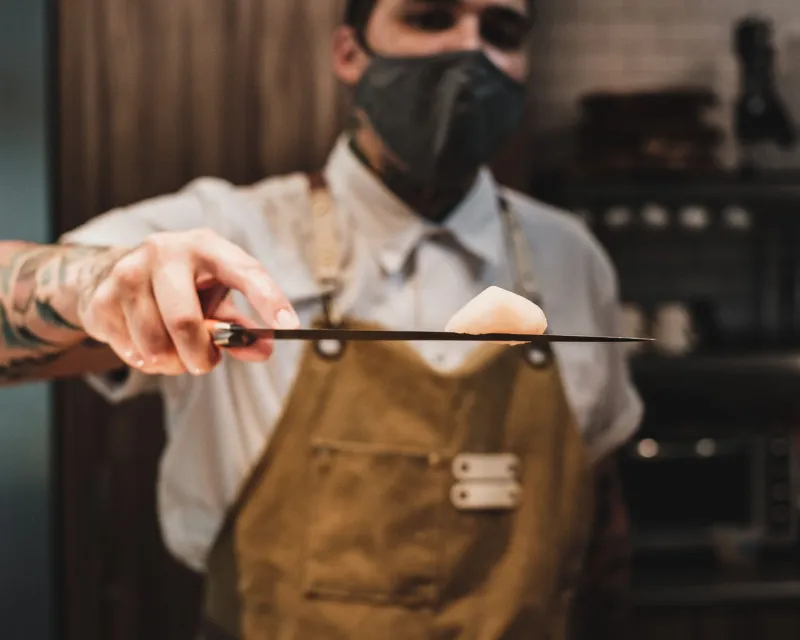
Here's the one that surprises everyone: in Japan, nigiri is traditionally eaten with your fingers. It's not a hack move — it's how the chef designed it, at the temperature and compression it was meant to be eaten.
"Fingers actually tell you something," Morita says. "The rice should hold together but fall apart in your mouth. If you're squeezing it with chopsticks, you're working too hard." Use your hands for nigiri, chopsticks for sashimi and anything saucy. Both are correct; mixing them is normal.
The Soy Sauce Situation
The cardinal rule: dip fish-side down, lightly, rice up. The chef has already seasoned most pieces — soy sauce, wasabi, sometimes nikiri (a brushed glaze) are built in. Drowning the rice soaks it with salt and wrecks the texture.
"When someone dunks rice-first and the rice falls apart in the dish, I know they didn't get the piece I made," Morita says. "It's not about being insulted. It's like salting a dish before tasting it."
And no, don't mix wasabi into your soy sauce at a proper omakase. The chef has balanced the wasabi already. At a casual roll joint? Do what you want. Context matters.
Should You Actually Say "Omakase"?
You can — and at a counter, it's the magic word. "Omakase onegaishimasu" essentially means "chef's choice, please." But it's not required, and it's not a password for authenticity. Sitting at the counter and saying "I trust you, I'm not allergic to anything, and I don't eat X" accomplishes the same thing.
What chefs genuinely appreciate: telling them your restrictions up front, and eating pieces promptly while the rice is still body temperature. Nigiri is not a photo prop. Eat it within seconds of it landing.
Sake, Beer, and the Drinking Question
Common myth: you must never pour your own drink. In Japanese drinking culture, you pour for others and they pour for you — a nice gesture, not an obligation. If your chef or dining companion pours, hold your cup up with both hands and a small nod.
Ordering sake with sushi is great; ordering a super-dry junmai is a safe bet. And if you'd rather have a Sapporo? Nobody's judging. "Cold beer with sushi is one of the oldest pairings in Japan," Morita laughs.
The Small Stuff That Actually Matters
- Don't leave ginger on the nigiri. Gari is a palate cleanser between pieces, not a topping.
- It's fine to eat nigiri in one bite. If it's too big, two bites is also fine — just set it down gently, fish-side up.
- Ask questions. "What is this?" is the best thing you can say at a counter. Chefs light up.
- Tip like a normal American restaurant (15–20%), unless the menu states otherwise. Some high-end omakase spots include service; check.
- Don't request substitutions mid-course. If you need to skip something, mention it at the start.
The Only Real Rule
Morita's closing thought: "The etiquette exists to make the food taste better, not to make you nervous. If you show up curious, sit at the counter, and taste it as it's served — you're already doing it right."
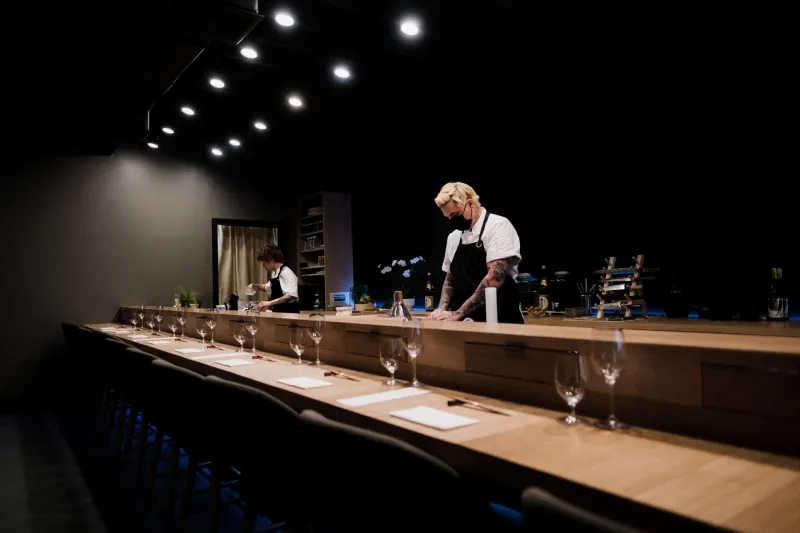
So book the counter seat. Say yes to whatever comes. Trust the itamae — that's the whole point.