Ten Years on Vinegar, Ten Seconds on Fish: The Quiet Obsession Behind Sushi Rice
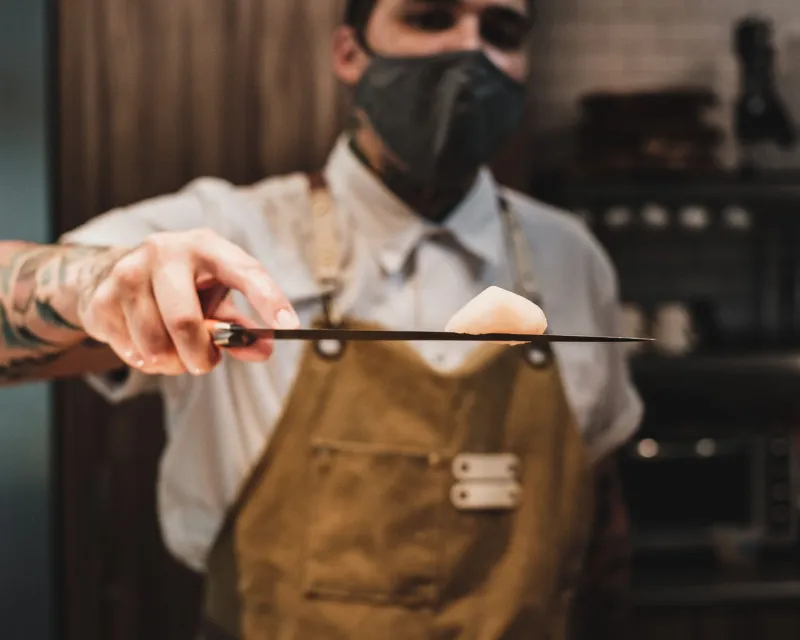
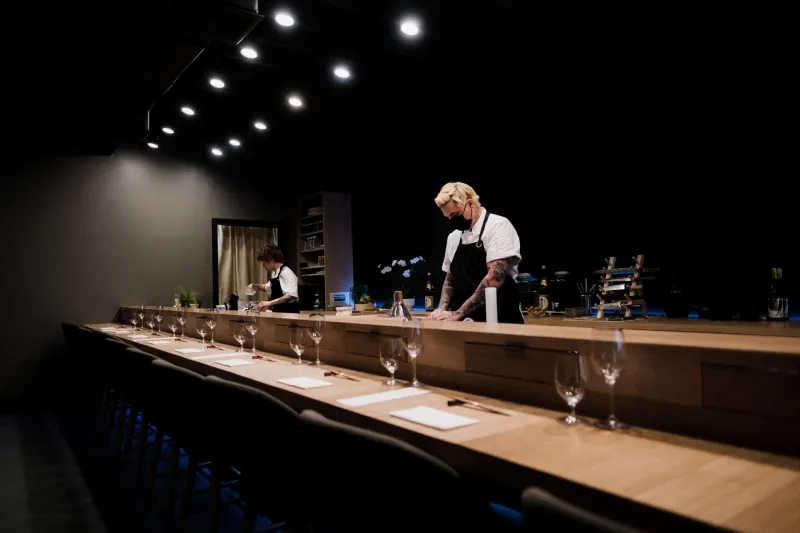
Watch the room at any American omakase counter and you'll notice the same reflex. The chef slices a piece of bluefin, the diners lean in, phones come out, someone whispers "otoro." The fish gets the applause, the photos, the Instagram story.
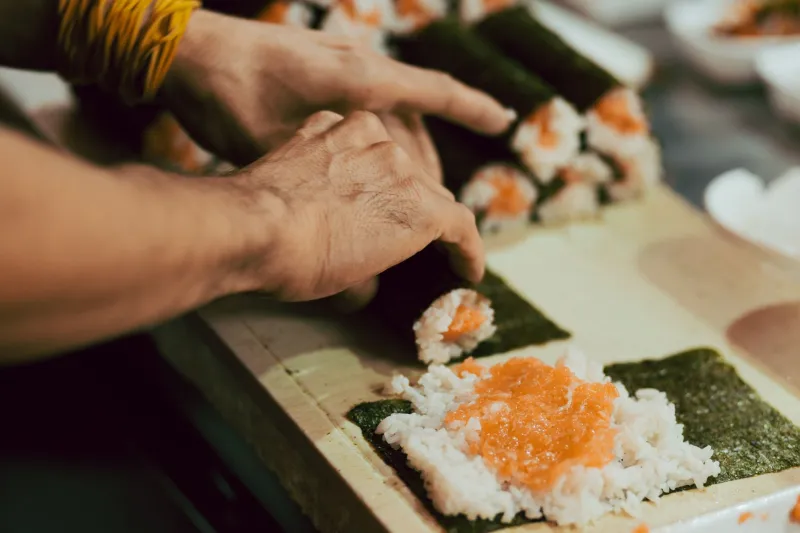
The chef, meanwhile, keeps one eye on something else entirely: the wooden tub of rice sitting at their left hip. Because here's the open secret of the sushi world — the fish is the guest of honor, but the rice is the restaurant.
What the Pros Call Shari
In the trade, sushi rice goes by the name shari, a word borrowed from Buddhist scripture that refers to the bones of the Buddha. That's not poetic inflation. Sushi, as most of us eat it, is roughly 80 percent rice by volume. If the shari is off — too sour, too sweet, too cold, too loose — no amount of pristine Hokkaido scallop can save the bite.
The fish, frankly, is the easy part. American suppliers now fly in auction-grade tuna within 48 hours of landing. What they can't overnight is a decade of rice judgment.
The Grain Comes First
Rice talk starts long before any vinegar shows up. Sushi chefs in the US typically work with short-grain japonica varieties — Koshihikari is the darling, though California-grown Calrose has quietly earned respect in kitchens from LA to Manhattan. The goal is a grain that holds its shape when compressed but gives up easily when you bite it. Starchy on the outside, distinct on the inside.
Then there's washing. Some chefs rinse until the water runs nearly clear; others deliberately leave a trace of the rice's own starch for extra cling. There is no single correct answer, and asking a sushi chef to reveal their washing method is a bit like asking a Texan to explain their brisket rub. You'll get an answer, but probably not the real one.
The Vinegar Blend Is the Fingerprint
Once the rice is cooked — ideally in a heavy pot or a traditional hangiri-cooled process that brings it down to body temperature — it gets cut with seasoned vinegar. In Japan's older style, that means akazu, a deep-red sake lees vinegar that's mellow, faintly sweet, and nearly impossible to find in most American grocery stores. Chefs who use it tend to order it in small batches and guard the bottle like jewelry.
Akazu is also a commitment. It's harsh when young and needs years to soften, which is why some sushi dynasties maintain vinegar that's literally older than their apprentices. A chef blending akazu today is seasoning rice with a liquid that started aging before the apprentice was hired — a flavor that simply cannot be rushed, reverse-engineered, or bought on Amazon Prime.
Newer and West Coast-leaning shops often blend rice vinegar with sugar and salt for a brighter, rounder profile that suits American palates raised on sweeter food. Neither approach is wrong. But taste the shari blind and you can often guess the chef's training, their city, even their teacher's teacher.
Temperature: The Ten-Second Problem
Here's the part that separates a good sushi bar from a great one. Shari has a serving window of roughly ten seconds to a minute. At body temperature — around human warmth, maybe 95 to 100 degrees Fahrenheit — the rice releases its aroma, the grains stay supple, and the vinegar smells alive.
Below that, everything dulls. Cold, tight rice is the single most common flaw in American sushi, and most diners have never once noticed it because they've never had the alternative. When you finally eat shari at the correct temperature, next to fish brushed with just a whisper of nikiri soy, the two fuse into something closer to one flavor than two ingredients. That fusion — hakiri, the chef's pressing hand doing its work — is the whole point.
How to Actually Judge the Rice
Want to know if you're at a serious place? Skip the tuna and order the cheapest thing on the menu: a single piece of hokke or even just a cucumber roll. Then check a few things:
- Warmth. The rice should feel gently warm, never refrigerator-cold.
- Structure. Each grain should be visible and distinct, not mashed into paste.
- Balance. You should taste rice first, then fish — not a sugar bomb followed by seafood.
- Restraint. Good shari is seasoned so the fish can speak, not so the chef can show off.
Trust the Hand You Can't See
The irony of omakase is that the most important work happens before you sit down and continues after you've stopped paying attention. The fish gets seconds of the chef's day. The rice gets hours — washing, cooking, cutting, folding, keeping at temperature all night long.
So next time you're at the counter, resist the urge to film the toro. Look at the tub. Watch how the chef turns the rice, how fast their hands move, whether they grab from the top of the pile or the warm center. That's where the real skill lives. That's the restaurant.