Sardines, Saba, and the Fish That Deserve Better: A Case for the Underdog Course
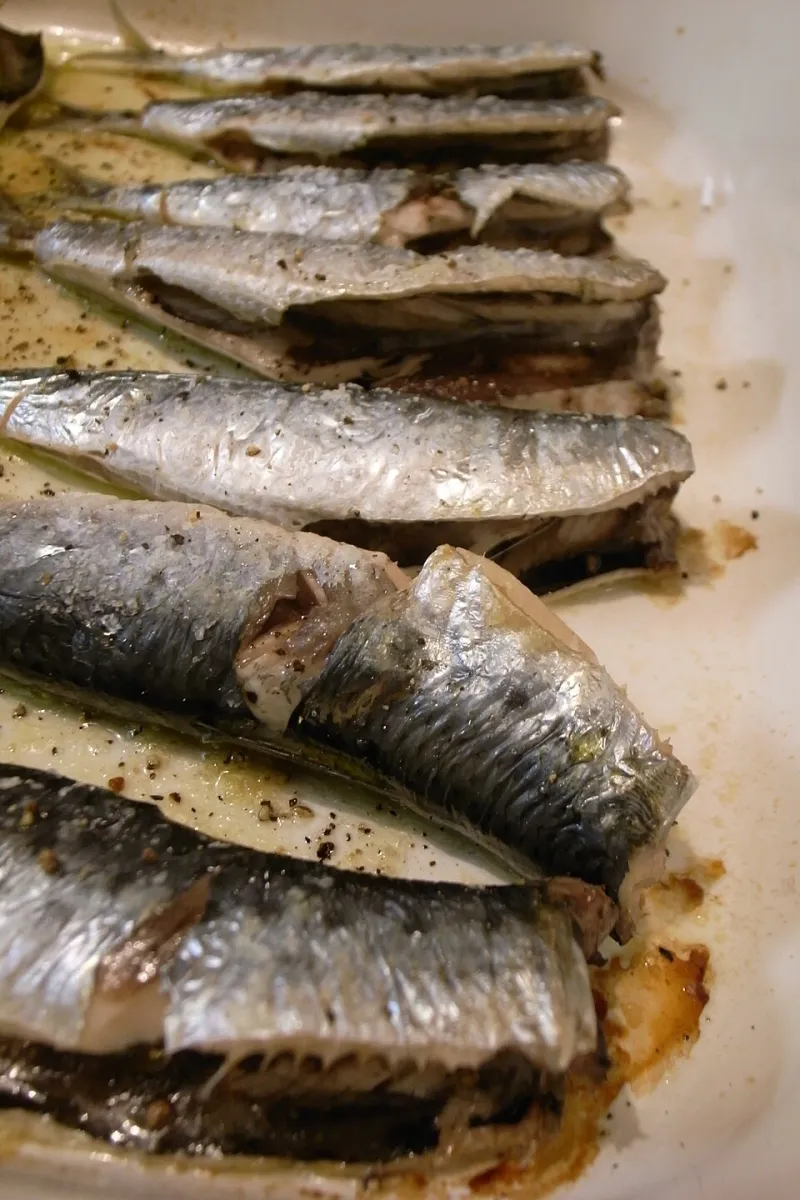
Photo: Naotake Murayama, CC BY 2.0, via Wikimedia Commons
Somewhere between the tuna flight and the salmon-topped roll that dominates every American sushi menu, there's a whole category of fish getting quietly, systematically ignored. Anago. Aji. Sardines. Mackerel. Fish that sushi chefs revere and American diners scroll past like they're not even on the menu.
They are on the menu. That's kind of the whole problem.
The Tyranny of the Big Two
Walk into any sushi bar in the US and you'll see it: the menu weighted toward salmon and tuna like a restaurant with only two opinions. There are reasons, some of them good. Salmon is buttery, familiar, and nearly impossible to dislike. Tuna — especially toro — carries prestige. But the result is a kind of culinary monoculture, where diners order the same two fish they'd order at a grocery store and call it a night.
The chefs I talked to see this as a missed opportunity wearing a disguise.
'Anago is my favorite thing to serve to someone who says they don't like eel,' one itamae told me, asking to remain nameless because, as he put it, 'I'm not trying to insult my regulars.' 'Freshwater eel — unagi — is what most Americans know: sweet, sauced, heavy. Anago is its sea-dwelling cousin, and it's softer, more delicate. I brush it with a light tare and serve it warm. When people try it, they get quiet. That quiet is the whole review.'
Aji: The Fish That Tastes Like the Ocean
If anago is the sleeper, aji — horse mackerel — is the fish that separates the curious from the committed. Served as sashimi or lightly cured, silver-skinned and briny, it tastes like the idea of the ocean distilled into two bites.
'Aji is cheap, it's sustainable, and most of my customers have never heard of it,' a chef at a counter in Los Angeles told me. 'I'll serve it with fresh ginger and a little scallion, sometimes with a splash of shottsuru or just good soy. People ask me why it doesn't taste 'fishy.' I tell them: fishy is what happens when fish isn't fresh. Fresh mackerel tastes like a clean slap of seawater.'
That's the secret nobody tells you: the reason saba and aji have a reputation for being 'strong' is that most Americans have only ever had them badly handled. A fresh, well-bled mackerel is bright, almost sweet. A tired one is a warning sign. Quality — not the species — was always the variable.
Sardines Are Having a Moment (Finally)
The tinned fish renaissance has done a lot of heavy lifting here. Suddenly sardines are on bar menus, on toast, in gift guides. But the fresh sardine — grilled whole with salt, served with lemon and maybe some grated daikon — remains a rarity on US menus, which is a shame, because it's one of the great cheap thrills in cooking.
One chef I spoke with in New York builds an entire end-of-menu course around them in season. 'I'll do three sardines, grilled over binchotan, with nothing but salt and a wedge of lemon. It costs me almost nothing and it's the dish people photograph. The irony is not lost on me.'
How to Eat Like an Insider (Without Being One)
Here's the good news: you don't need a reservation to explore this territory.
At the sushi bar: Look for the omakase option, or simply ask, 'What's good today that isn't salmon or tuna?' This one sentence is a skeleton key. It tells the chef you're paying attention, and it opens the door to aji, kohada, saba, anago, whatever the market delivered that morning.
At the market: Japanese and Korean groceries are your friends. Frozen aji shows up in Asian markets at shockingly low prices. Whole sardines and mackerel often appear at well-stocked fish counters and Asian markets for a fraction of what salmon costs. Look for clear eyes, firm flesh, and a clean smell — the usual suspects.
At home: Start simple. Salt, high heat, lemon. Whole mackerel or sardines under the broiler take about eight minutes. Anago is harder to source fresh, but good quality frozen or vacuum-packed versions exist online and at larger Japanese markets.
The Chef's Perspective
Every chef I spoke with said roughly the same thing: the fish they love most aren't the ones that sell. They're the ones they have to talk people into. And every single one said the conversion rate is enormous — people who try a properly prepared aji or a warm piece of anago almost always come back asking for it by name.
That's the thing about underdog fish. They were never inferior. They were just waiting for someone to order them.