The Corner Seat Is Not the VIP Pass: How to Read an Omakase Counter
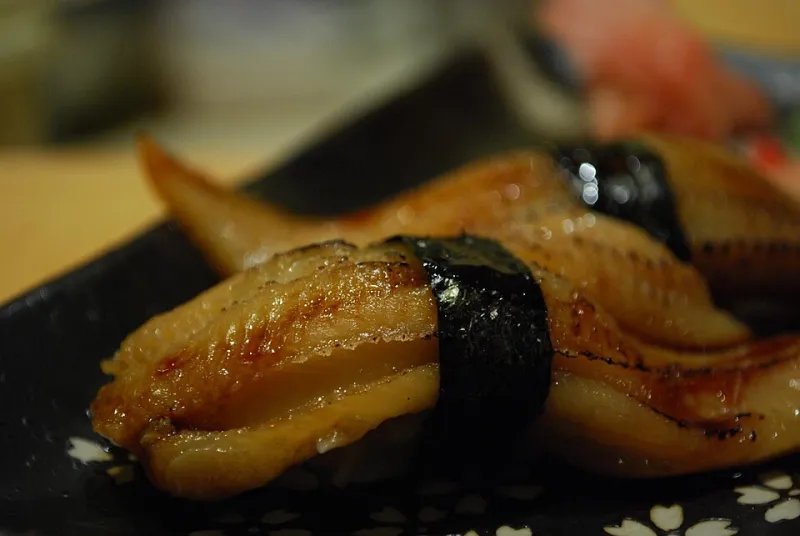
Photo: Alpha from Melbourne, Australia, CC BY-SA 2.0, via Wikimedia Commons
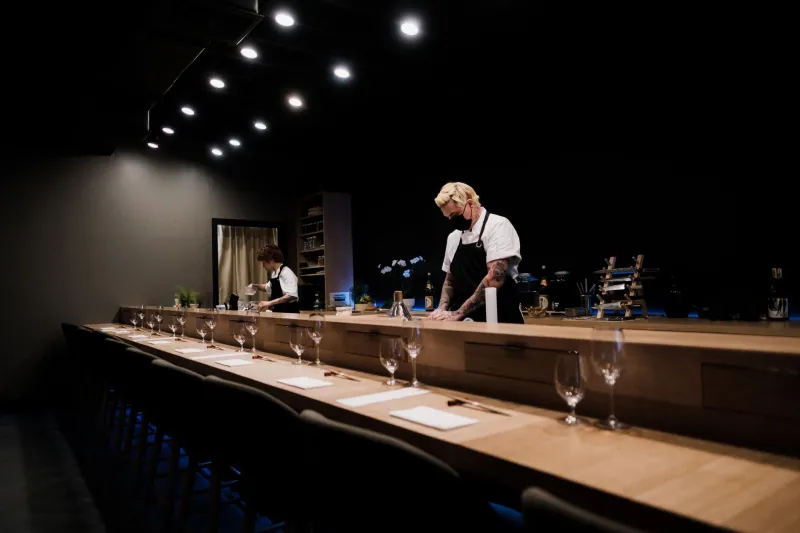
There is no printed seating chart at an omakase counter. There is still a seating chart. It lives in the reservation system, in the host’s head, and in the small geography of a eight- or twelve-seat bar where the chef decides who gets the first piece, who gets the extra pour, and who spends the evening watching the back of a neta case instead of the blade work.
Diners often assume the corner seat is the VIP pass. It looks exclusive. It feels tucked away. In reality, the best seat at an American omakase counter depends on what you came for: conversation, observation, privacy, mobility, or pure calorie-paced surrender. The seat itself does not make the dinner. The match between seat and diner does.
The corner is cozy, not automatically chosen
A corner stool usually buys you privacy and a wide view of the room. You can see the whole counter, the chef’s rhythm, and the other guests without being in the middle of the action. For a date or a quiet celebration, that can be ideal. For someone who wants to ask about vinegar, aging, and the difference between two cuts of akami, it can be a slightly lonely perch.
One chef in Chicago told me she seats parties at the corner when they seem to want their own bubble. ‘I can see everyone from the corner,’ she said, ‘but I cannot always reach you first.’ That is the trade-off. The corner is not a punishment. It is a different kind of service. If you want the chef’s full attention, the corner may actually work against you.
Directly in front of the chef is the front row, not a fast pass
The center seat gets the most eye contact, the most explanation, and often the quickest handoff. The chef can read your face, notice when you are ready for the next piece, and adjust pacing in real time. For solo diners and curious first-timers, this is often the most rewarding spot.
It is also the most exposed. If you want a quiet dinner with your partner, sitting dead center can feel like a three-hour conversation with a very skilled stranger. Chefs know this. They watch how you settle in, whether you lean forward, whether you ask questions, whether you keep your phone face down. A seat request is never just about geography. It is a signal about the kind of evening you want.
The neta case seat is theater with a caveat
The stool nearest the fish case promises a front-row view of the prep: the cuts, the aging, the small trays, the quiet rearranging that makes a counter feel alive. For visual learners, it is the best seat in the house. You see the fish before you taste it, and you start to understand why the chef handles one piece differently from the next.
The caveat is that the neta case can also become a wall. The chef may turn away to work, blocking your view. The case can run cold. And if you are the kind of diner who taps the glass or points at fish like a deli counter, you are not watching theater. You are interrupting it. Chefs notice curiosity. They also notice entitlement. Ask questions when the chef is between pieces, not while a knife is mid-cut.
The end seat near the door is practical, not second-class
Some diners quietly dread the seat by the entrance. It can be drafty, busy, and slightly removed from the main rhythm. But for anyone with mobility needs, a nervous bladder, or an early train, that seat can be the smartest reservation in the room. Chefs understand this better than guests sometimes admit.
What feels like a bad seat to one diner is a lifeline to another. The problem starts when people treat the seating chart as a status ladder. It is not. It is a service map. Tell the house what you need, not what you think you deserve.
How chefs read your seat request
American sushi chefs are constantly reading requests. A corner ask often means privacy. A center ask often means engagement. A neta case ask often means curiosity. A seat near the aisle often means accessibility or anxiety. None of those readings are insults. They are clues.
The trouble comes when a reservation system cannot accommodate the request and a guest takes it personally. Chefs I spoke with in Los Angeles, Seattle, and New York all said the same thing: they want to help, but the room has limits. Party size, arrival times, and the need to balance pacing across the counter often decide more than preference. The house is not hiding the best seat from you. It is trying to run a service.
How to ask without insulting the house
Ask for the experience you want, not the throne you believe you have earned. ‘If possible, we would love seats where we can watch the fish prep’ lands very differently from ‘We need the best seats.’ The first gives the host something to work with. The second turns dinner into a negotiation.
Ask at booking, not at the counter. Arrive with flexibility. If you are celebrating, say so once. If you need accessibility, say so clearly and early. If you get moved, let it go. The chef can feel a sulking guest from across the bar, and it does not improve your pacing.
The real best seat
The best seat at an omakase counter is the one that matches your evening. Want to learn? Sit near the center or the neta case. Want intimacy? Take the corner. Need to slip out? Take the end. Want to disappear into the meal? Sit wherever the house puts you and pay attention.
The counter is a shared stage. The seat matters, but attention matters more. Trust the itamae, including where they put you. That is the Omakasety way: chef’s choice, every day.